Plan
History of Maraú
Updated on October 7, 2026 ✓ Information verified on October 6, 2026 adapted version of the Portuguese original
The name
According to Wikipedia, the place name “Maraú” comes from the Tupi maíra ’y, meaning “river of the Frenchman” or “river of the white man” (maíra = Frenchman or white man; ’y = river). Tupi was the language of the Indigenous peoples who lived along much of the Brazilian coast.
Origins
The English Wikipedia says the town was originally an Indigenous village called “Mayra”, and that the area was reached in 1705 by Italian Capuchin friars, who named it São Sebastião de Mayrahú. Maraú became a town in 1938.
The region
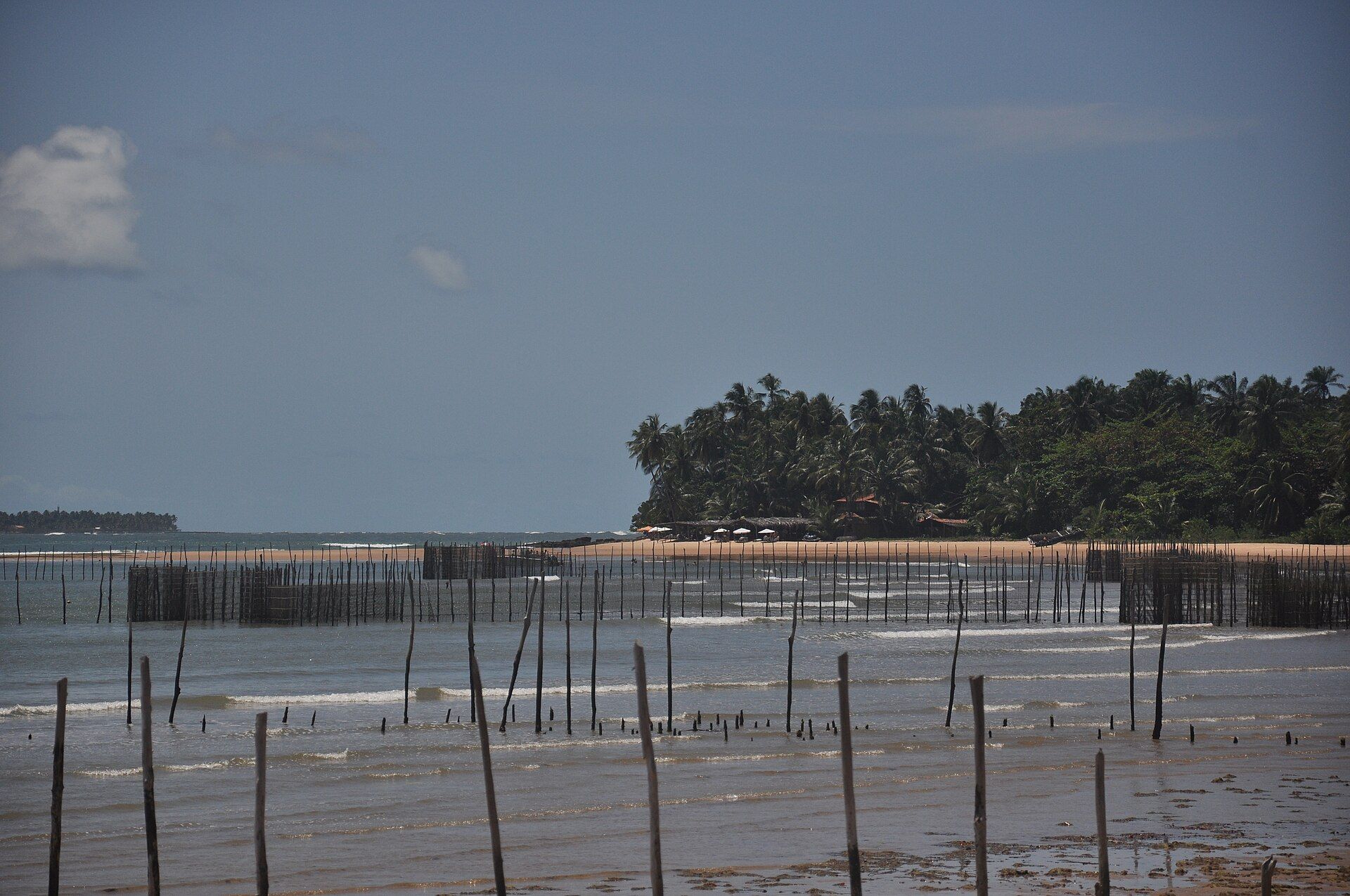
The municipality lies on the Costa do Dendê (“Palm Oil Coast”), a tourist zone in the lower south of Bahia, and holds almost half of the Camamu Bay protected area. Neighboring Camamu has an even older history, with a 16th-century Jesuit mission.
Tourism
Today tourism is the backbone of Maraú’s economy, with accommodation and restaurants, many of them small businesses run by local residents. In 2017, the City Hall, together with Sebrae (the Brazilian small business support agency), created a tourism marketing plan and a tourism brand for the Maraú Peninsula.
Frequently asked questions
What does Maraú mean?
According to Wikipedia, it comes from the Tupi language and means 'river of the Frenchman' or 'river of the white man'.
Keep reading
Keep planning
-
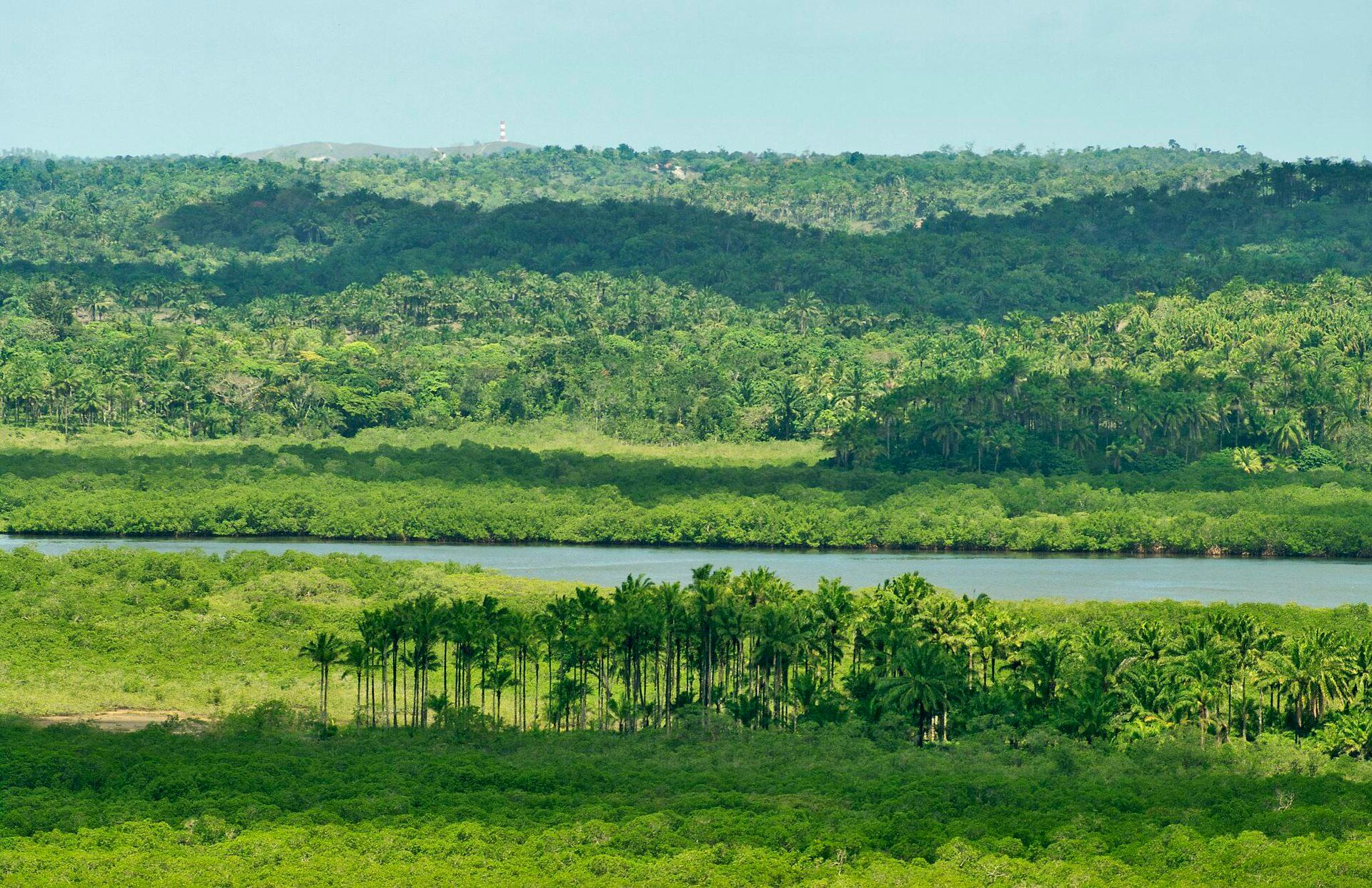 Camamu Bay Environmental Protection Area (APA) Camamu Bay APA: a 118,000-hectare state environmental protection area created in 2002 that covers a large part of the Maraú Peninsula in Bahia, Brazil. Read guide
 -
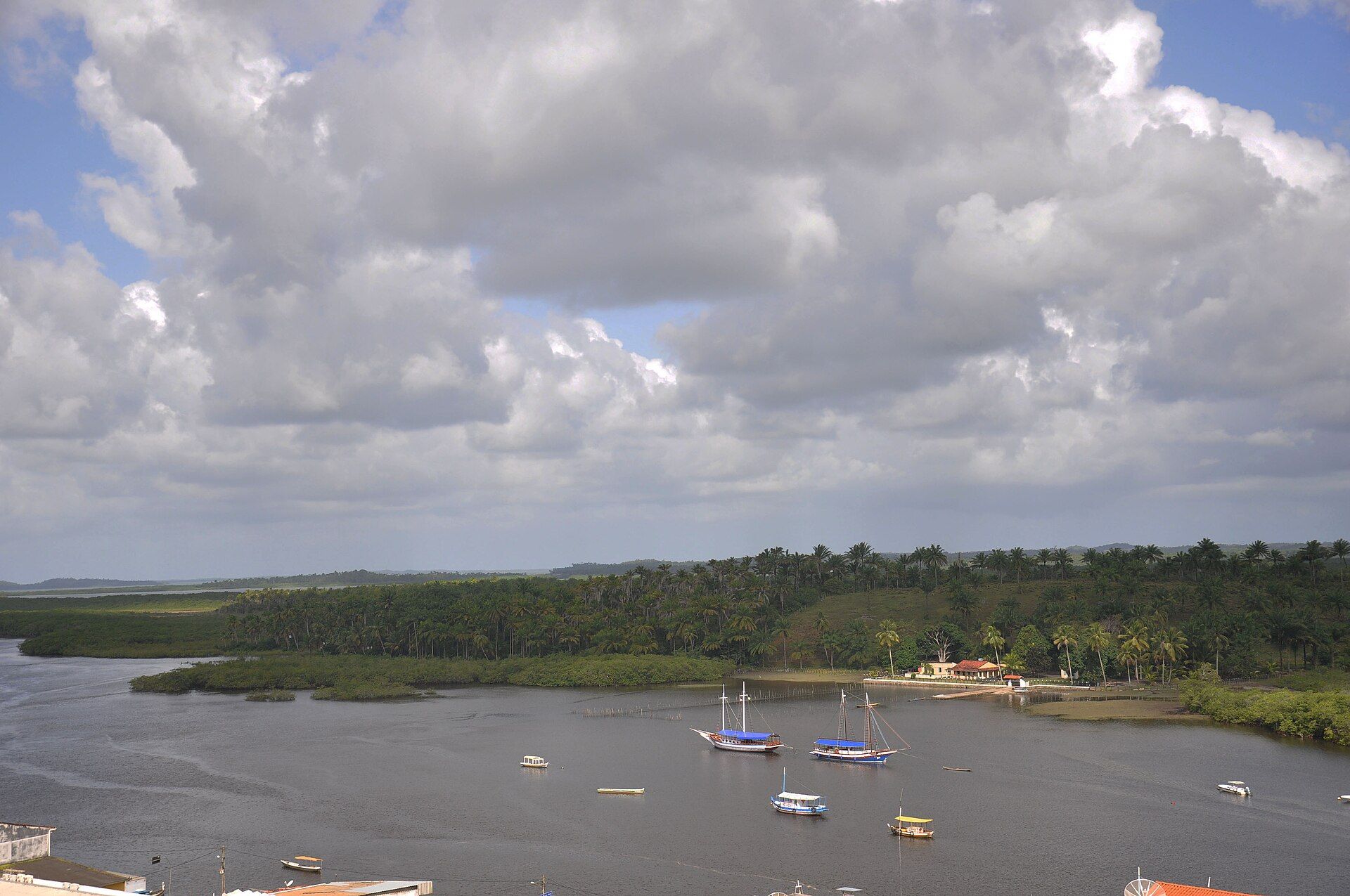 How to get to the Maraú Peninsula and Barra Grande How to get to the Maraú Peninsula and Barra Grande, Brazil: boat from Camamu, the dirt road along the peninsula and air taxi, with precautions for each. Read guide
 -
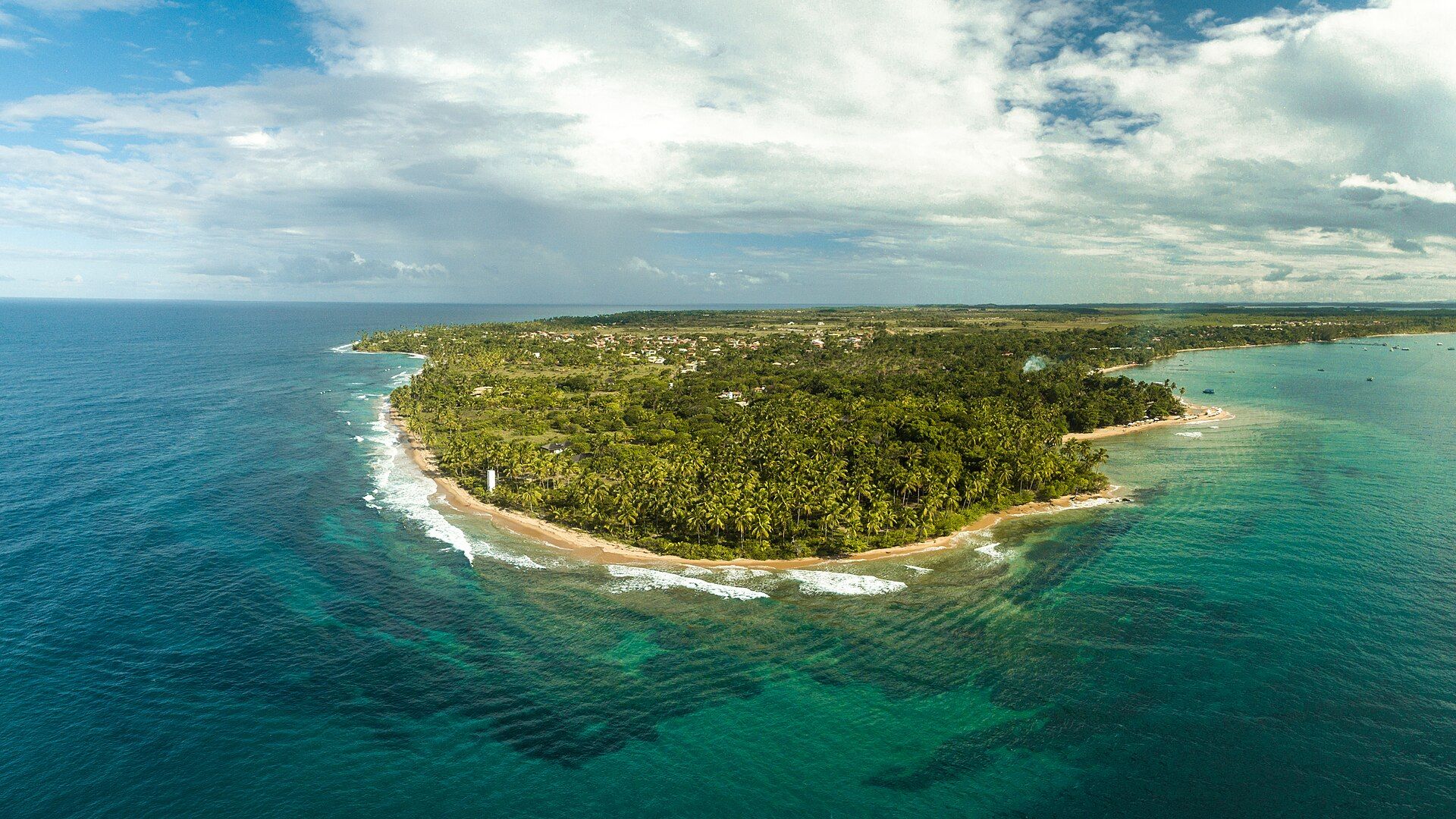 Barra Grande Airport (MUU) Barra Grande Airport (IATA MUU, ICAO SIRI), on the Maraú Peninsula: no scheduled flights, used by air taxis and private aviation, 4 km from the village. Read guide